
Network Cabling: What Businesses Must Know Before Installation
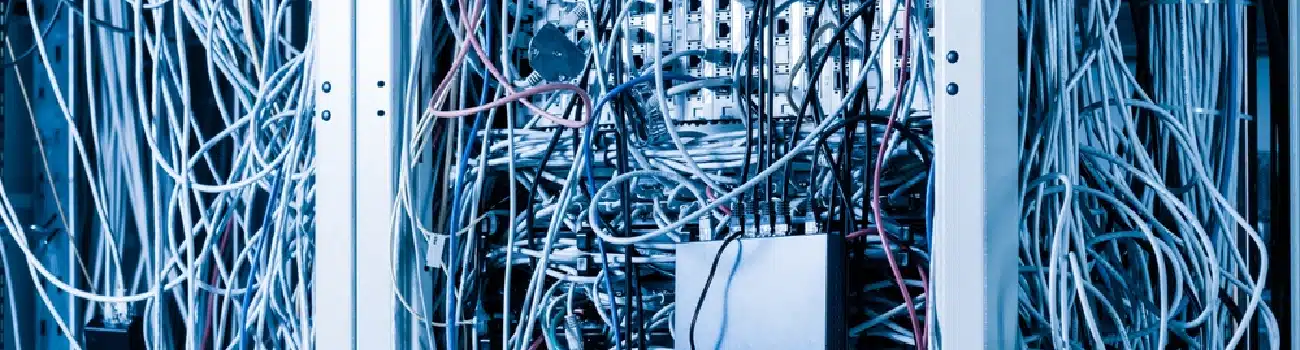
Network cabling is often the unsung foundation of a business’s digital operations. Although many companies emphasize servers, switches, or wireless systems, physical cabling remains vital. Well‑designed cabling ensures data moves reliably among workstations, servers, automation devices, and communication tools, forming the backbone of any modern IT Infrastructure. Understanding network cabling becomes especially important when planning new installations, building automation, or relocating offices. A structured, professional approach to cabling can prevent outages, improve performance, and make future upgrades smoother.
What is meant by Network Cabling, and What Types Are Used?
Network cabling connects devices such as computers, routers, switches, and servers, which are essential Network Infrastructure Components in any business IT setup. The main types of network cabling include:
- Twisted-Pair Cables (Ethernet): common, cost-effective, flexible.
- Shielded or Unshielded Cables: chosen based on interference protection needs.
- Fiber-Optic Cables: high-speed, long-distance, and immune to interference.
Each type is selected based on factors like building size, data needs, and environmental conditions.
Why Proper Installation and Structured Cabling Matter for Business
Without careful planning, cabling can become a weak link. Poor or ad‑hoc cabling leads to tangled wires, interference, difficult troubleshooting, and limited scalability. A structured cabling approach, where cables are organized through designated paths, patch panels, and standardized labeling, makes the infrastructure orderly, easier to manage,
and adaptable. This makes future expansions, maintenance, and upgrades more straightforward.
Proper cabling is also critical for building-wide systems that go beyond just computers: surveillance, security access, VoIP, smart automation, and IoT devices. These systems require stable connectivity and often run simultaneously; structured cabling supports them all.
Traditional vs. Modern Network Cabling: Challenges and Benefits
Moving from traditional point-to-point cabling to modern structured cabling is not without challenges. Businesses often face difficulties such as:
- Compatibility Issues: Older devices or legacy systems may not support higher bandwidth cables.
- Infrastructure Limitations: Existing conduits, ceilings, or walls may restrict optimal cable routing.
- Downtime During Transition: Migrating to modern cabling can temporarily disrupt operations if not planned carefully.
- Training and Expertise: Staff may need guidance to manage structured cabling or understand the new labeling and pathways.
Despite these challenges, modern cabling strengthens the overall Network Infrastructure and proves more cost-effective over time. While initial installation may be higher, it reduces future maintenance, troubleshooting costs, and downtime. It also supports higher data rates, allows easier upgrades, and prevents repeated retrofits when businesses scale or adopt new technologies.
How Business Relocation Influences Cabling Needs
Relocating amplifies cabling challenges. Businesses often discover that existing cabling is insufficient for new layouts or automation requirements. Other common problems during relocation include:
- Misaligned device locations require new cable runs.
- Insufficient pathways for cabling or network equipment.
- Increased labor costs to move or reconfigure servers and network hardware.
- Temporary network downtime is impacting operations.
Relocation is also an opportunity to adopt structured modern cabling, integrate building automation, and ensure that the infrastructure is ready for current and future technology needs. Investing in professional network cabling services during relocation mitigates risks, reduces downtime, and ensures a smooth transition.
Key Factors Affecting Network Cabling Costs
The total investment in network cabling is shaped by more than just the price of cables. Several factors, from building layout and cable type to installation complexity and long-term scalability, play a role in determining costs. Understanding these key elements helps businesses make informed decisions and ensures a reliable, future-ready network.
Factors That Influence Cabling Costs
The total cost of network cabling depends on more than just the cable itself. Building size, layout complexity, number of endpoints, and accessibility all play a role. Running cables through open ceilings is simple and inexpensive, but navigating thick walls, tight conduits, or multi-floor setups requires more labor and specialized planning, which increases the overall investment.
Choosing the Right Cable Type
Cable type has a major impact on both performance and cost. Standard copper cables like Cat5e or Cat6 are cost-effective for basic networks, while Cat6A or fiber-optic cables offer higher speeds, reliability, and long-term scalability. Although these high-performance options cost more initially, they reduce future maintenance, support higher bandwidth, and ensure the infrastructure is ready for new technologies.
Additional Installation Expenses
Beyond cables and labor, professional installations often include patch panels, connectors, wall plates, cable trays, fire-rated wiring, and thorough testing or certification. While skipping these components might save money upfront, it can lead to network issues, frequent maintenance, or costly retrofits in the future.
Long-Term Value of Proper Installation
A well-planned, structured cabling system may require higher upfront costs, but it pays off over time. Businesses benefit from reduced downtime, simplified upgrades, and the ability to integrate new devices or automation systems without rewiring. By prioritizing quality installation and future-ready design, organizations create a reliable, scalable network that minimizes long-term expenses and operational disruptions.